What to Do in a Burst Pipe Emergency (Before the Plumber Arrives)

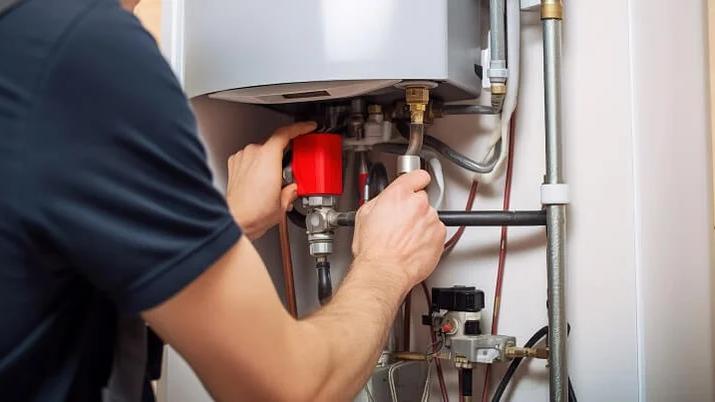
A burst pipe is one of the most stressful things that can happen in a home — water pouring through a ceiling, soaking into floors and threatening electrics, often at the worst possible time. The good news is that the damage is largely determined by what you do in the first few minutes. Acting fast and calmly can be the difference between a quick repair and a flooded, ruined room. Here are the exact steps to take before the plumber arrives.
Step 1: Turn off the water at the stopcock
Your first job is to stop the flow. Find your main internal stopcock — it’s usually under the kitchen sink, in a hallway or downstairs cupboard, or under the stairs — and turn it firmly clockwise to shut off the mains supply to the whole house. This is the single most important action you can take, so it’s worth knowing where your stopcock is before an emergency ever happens. If you can’t find it or it’s seized, there may also be an external stopcock near your boundary, usually under a small metal cover in the pavement or driveway.
Step 2: Drain the system
Once the mains is off, turn on all your cold taps, starting with the kitchen, to drain the water still sitting in the pipework. This relieves the pressure in the system and reduces how much more water can escape from the burst. Flush the toilets too. Within a few minutes the flow from the burst should slow to a trickle and then stop as the pipes empty, which buys you time and limits further damage.
Step 3: Deal with electrics safely
Water and electricity are a dangerous combination. If water is anywhere near light fittings, sockets or your consumer unit — for example pouring through a ceiling light, as happens with upstairs leaks — switch off the electricity at the consumer unit (fuse box) if it is safe and dry to reach it. Never touch electrical fittings, switches or the fuse box with wet hands or while standing in water. If you’re in any doubt about whether it’s safe, leave it and tell the engineer when they arrive.
Step 4: Contain and protect
With the water stopped and electrics made safe, limit the damage to your home. Place buckets, bowls and towels under any active drips, and move furniture, rugs and valuables away from the affected area. If water is pooling in a ceiling and bulging it, a small hole pierced at the lowest point with a screwdriver — into a bucket — can release the water in a controlled way and prevent the whole ceiling collapsing. Take a few photos of the damage too; they’re useful for any insurance claim later.
Step 5: Call an emergency plumber
With the immediate situation under control, call a Gas Safe registered emergency plumber. A good emergency plumbing service will talk you calmly through these steps over the phone if you haven’t already done them, and give you a realistic arrival time. We maintain an under-60-minute average arrival across our core Greater Manchester postcodes, and send an SMS with a live GPS tracking link so you can see exactly where the engineer is — no being left wondering when help will turn up.
What a good emergency plumber will do on arrival
A proper trace-and-access engineer won’t just start tearing into walls and floors. They’ll use thermal imaging and acoustic detection to pinpoint the source of the leak precisely — even when it’s hidden inside a stud wall or under floorboards — so they can cut a small, targeted access hatch rather than ripping out a whole ceiling or bathroom floor. We once traced a hidden pinhole leak that two other firms wanted to smash a bathroom floor to reach, and repaired it through a single 10cm hatch. That precision is what limits the damage and the disruption.
How to prevent burst pipes in the first place
Most bursts come down to two causes: freezing in winter and ageing or failed fittings. To reduce the risk, lag exposed pipes in lofts, garages and outbuildings before winter, keep your heating ticking over on a low setting during cold snaps even when you’re away, and have old lead, steel or failing push-fit pipework replaced before it lets go. An annual heating check is a good chance to flag pipework that’s on its way out before it becomes a 9pm emergency.
The bottom line
In a burst pipe emergency, the order is simple: stop the water at the stopcock, drain the system, make the electrics safe, contain the damage, then call for help. Knowing where your stopcock is right now — before anything goes wrong — is the best preparation you can make. If you’ve got a burst or a leak, call our 24/7 line straight away, or send details through the quote form for non-urgent work, and we’ll get an engineer to you fast.
Need a professional for your next project?
Get a free, no-obligation quote for your next project.
Get a Free QuoteMore from the blog
The Landlord’s Guide to Gas Safety Certificates (CP12)
Every UK landlord is legally required to hold a valid CP12 gas safety certificate. Here’s what it covers, how often you need one, and what happens if you don’t — a plain-English guide.
View
Combi vs System Boiler: Which Is Right for Your Home?
Combi, system or conventional? The right boiler depends on your bathrooms, mains pressure and hot water habits — not on which is cheapest. Here’s how to choose between them.
View
Power Flush vs New Boiler: Which Do You Actually Need?
Cold radiators and a noisy boiler don’t always mean a new boiler. A power flush often fixes the real problem for a fraction of the cost. Here’s how to tell which one you need.
View